
UNDERSTAND WHAT MAY BE CAUSING YOUR HAIR LOSS AND HOW TO FIND THE RIGHT APPROACH FOR YOU.
Hair loss can be linked to hormonal changes, genetics, illness, stress or nutritional deficiencies. Because the causes vary, an approach that works for one person may not be right for another. Understanding why your hair is changing is the first step towards finding the right approach for you.
Begin with the cause
Consider any recent changes to your health, medication, diet, contraception or stress levels. Recent childbirth and menopause are relevant, along with hair treatments or styling habits that may cause breakage or tension.
A trichologist can review your medical history and examine your hair and scalp, using a hair-pull test or magnification to assess shedding, follicle changes, breakage and skin health. Where appropriate, blood tests can be arranged to investigate nutritional deficiencies, thyroid function or other hormonal factors. In some cases, a scalp biopsy may be requested to clarify the diagnosis.
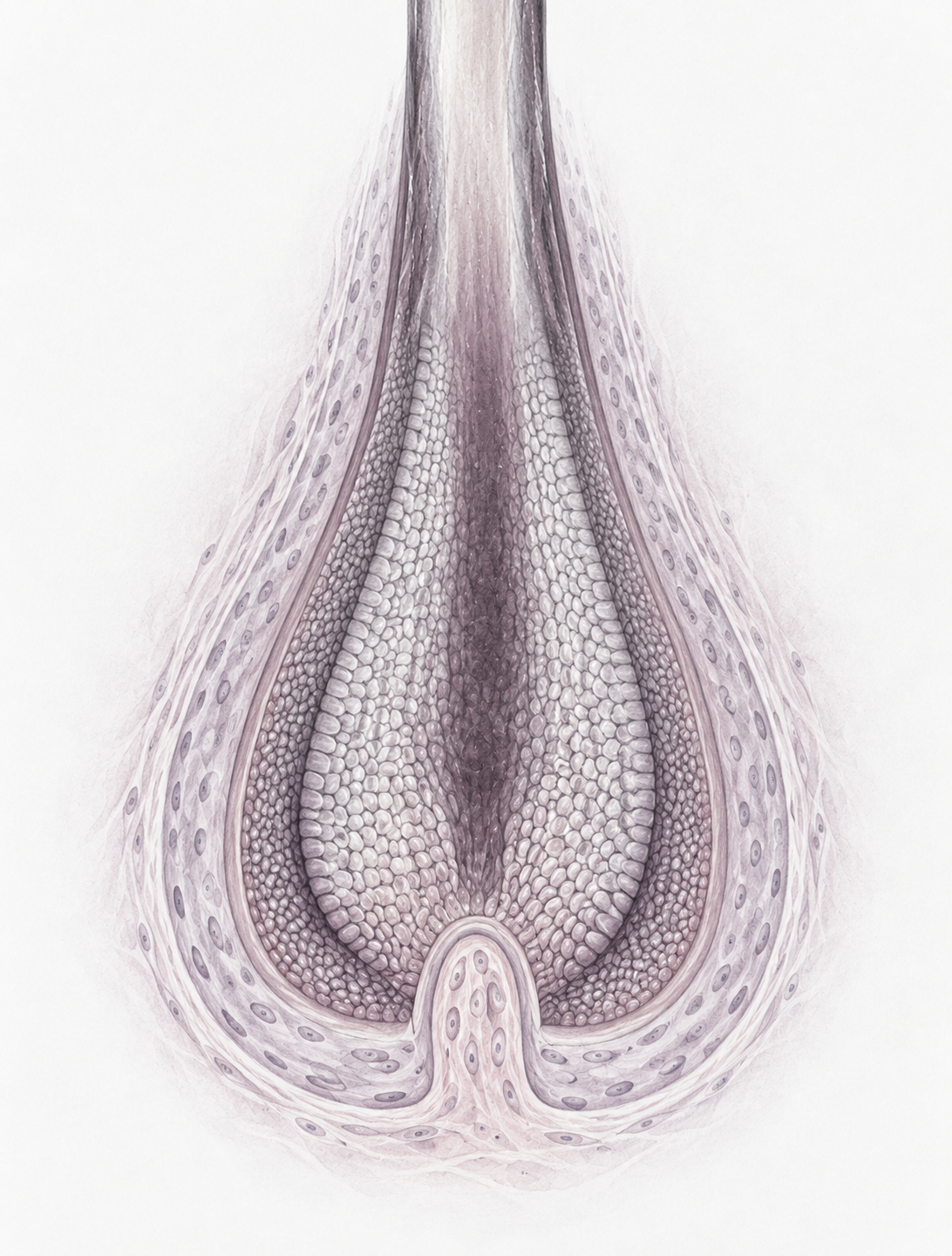
When shedding is temporary
Telogen effluvium—shedding triggered by events such as illness, childbirth or significant stress, often settles once the trigger has passed or been addressed. Recovery takes time, and treatment focuses on the underlying cause.
If testing identifies a deficiency, targeted supplementation may help restore normal growth. Taking extra nutrients when there is no deficiency is unlikely to help, and excessive amounts can be harmful.
Treatments for pattern thinning
For female pattern hair loss, topical minoxidil can help slow progression and improve density. Available over the counter in women's formulations, it requires consistent use over several months, with continued treatment needed to maintain benefits. Potential side effects include initial shedding, scalp irritation and unwanted facial hair. Avoid minoxidil during pregnancy and breastfeeding, and read the product leaflet.
Following medical assessment, anti-androgen medication such as spironolactone may be considered, particularly where androgen excess contributes to thinning. Finasteride may also be prescribed off-label for some postmenopausal women, after reviewing its suitability and potential side effects.
Additional clinic-based options
Depending on the cause of your hair loss, additional treatments may help support growth:
PRP: A sample of your blood is processed to concentrate platelets, which release growth factors, then injected into the scalp to help stimulate follicle activity.
Microneedling: Fine needles create tiny, controlled injuries in the scalp, triggering repair signals that may support growth, particularly alongside other treatments.
Low-level light therapy: Devices such as caps or helmets deliver red light to the scalp to stimulate follicle activity and improve hair density.
Results vary, and evidence is still developing. Discuss these options after diagnosis, as they do not address underlying nutritional deficiencies or replace treatment for hormonal or inflammatory conditions.
Restoring coverage
Depending on the type and extent of hair loss, options to improve coverage include:
Hair transplantation: Healthy follicles are moved to thinning areas, either by removing a strip of hair-bearing skin (FUT) or extracting individual follicular units (FUE). Suitability depends on the diagnosis and the amount of donor hair available.
Volumising products: Mousses, sprays and powders add lift and body, making existing hair appear fuller.
Hair fibres and concealers: Fibres cling to existing strands, while coloured sprays reduce the contrast between hair and scalp.
Wigs and hairpieces: Offer immediate coverage, with human hair and synthetic options to suit different styles and needs.
Scalp micropigmentation: Small dots of tattooed pigment reduce scalp visibility, creating the appearance of greater density without stimulating growth.
When specialist care matters
Sudden patches, scalp pain, redness or signs of scarring need medical assessment, as some conditions require prompt treatment to protect remaining follicles. Establishing the diagnosis first helps you invest in options suited to your hair and avoid those unlikely to help.


© 2026 The Hair Consultancy